Our journey through Eswatini descends from the western highlands through the Ezulwini Valley, then turns east toward warmer lowlands. South Africa surrounds most of this small, landlocked kingdom; Mozambique borders it to the east.
Your route
Five places, one journey
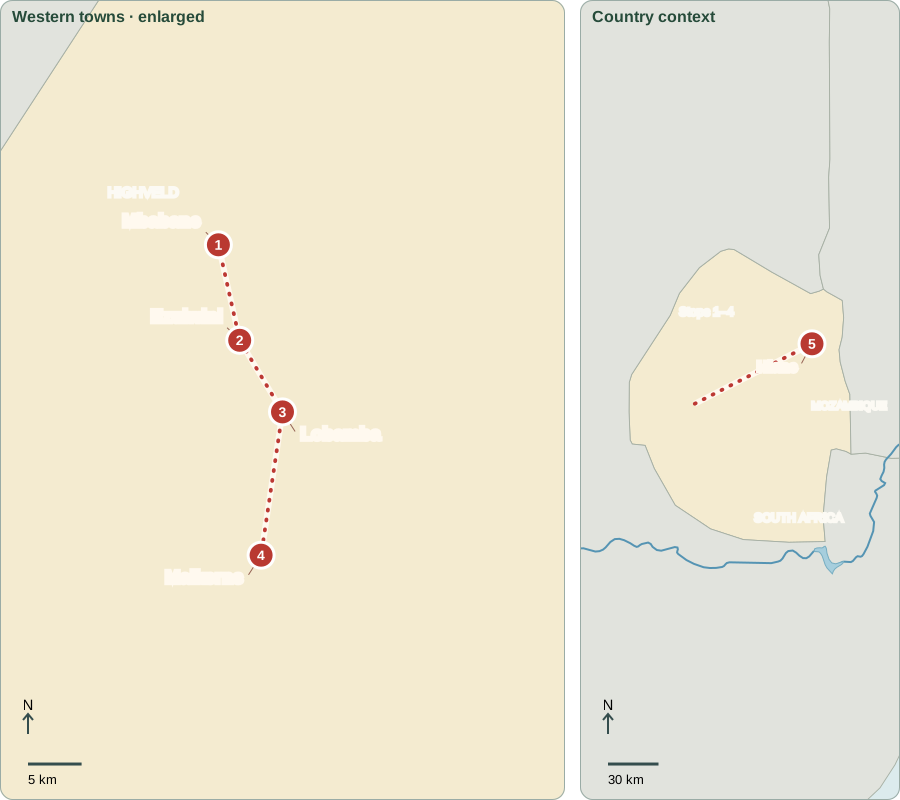
Western towns are enlarged; country context shows the final stop farther east.
Mbabane
Government in the highlands
Mbabane’s offices sit among cooler, wetter hills. Eswatini became independent from Britain in 1968, when it was called Swaziland. Unlike a president, its hereditary king is not elected by voters. The king holds extensive executive power and appoints the prime minister. Roads connect the capital to farms, factories and neighboring South Africa, an important trading partner and source of jobs.
SiSwati and English are official languages. The country changed its official English name from Swaziland to Eswatini in 2018. Its small size does not make its landscape uniform: western highlands rise above much warmer eastern lowlands.
Locate this stop on the map ↗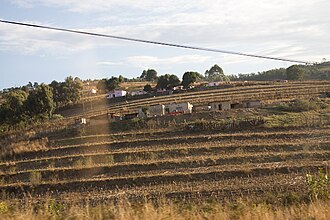
Ezulwini
Weaving work into daily life
Nearby craft markets display woven baskets, beadwork and carved objects. Makers draw on skills passed between generations while creating goods for contemporary buyers. Sales to residents and visitors help support households. Tourism connects these valley communities with wildlife parks and cultural sites. Swazi traditions are important, but people’s beliefs and daily lives differ; no single performance or souvenir represents everyone.
The valley’s location between Mbabane and Lobamba places workshops near important roads and visitor destinations. That access can help makers reach customers. A craft’s value comes from materials and skilled work as well as the connection buyers feel to it.
Locate this stop on the map ↗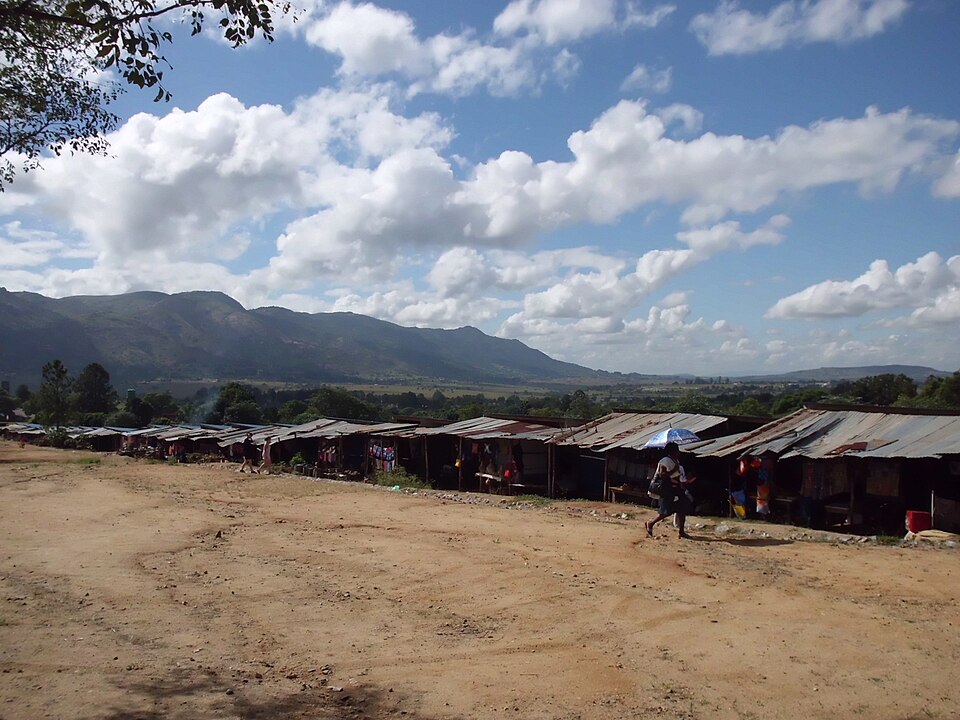
Lobamba
A parliament beside royal institutions
We travel south to Lobamba, the royal and legislative center. Parliament considers laws, which require royal assent. Voters choose some legislators as individual candidates; political parties cannot compete as parties. The king appoints other members and most senators. These arrangements limit citizens’ control over national leadership. Eswatini is an absolute monarchy, even though it has a constitution and holds legislative elections.
Royal assent means the monarch’s formal approval of a law. Having a parliament does not by itself make a system parliamentary democracy. The important questions are who can choose the executive, dismiss it and make decisions on public spending.
Locate this stop on the map ↗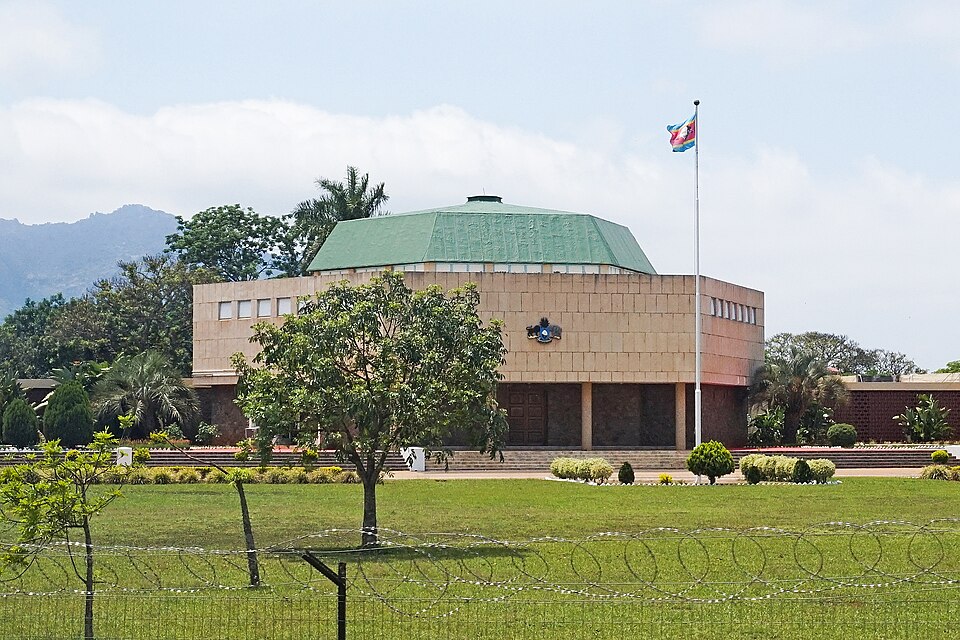
Malkerns
Color, crops and factory work
Continuing south brings us to Malkerns, known for craft workshops, including candle making. In the surrounding middle-elevation country, farms grow maize and other foods. Sugarcane thrives in warmer lowlands with irrigation; sugar processing and textiles are important industries. Drought can reduce harvests and water supplies. Manufacturing creates jobs beyond farming, although many households still face poverty and limited employment opportunities.
Irrigation brings water to fields when rainfall alone is insufficient. It can support productive sugarcane farms, but also creates a need to share limited water. Farmers, factories and households depend on decisions about the same rivers and reservoirs.
Locate this stop on the map ↗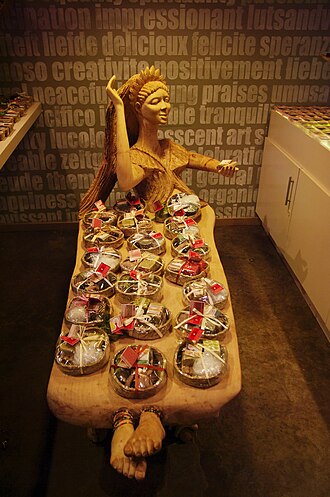
Hlane
Rhinos in dry woodland
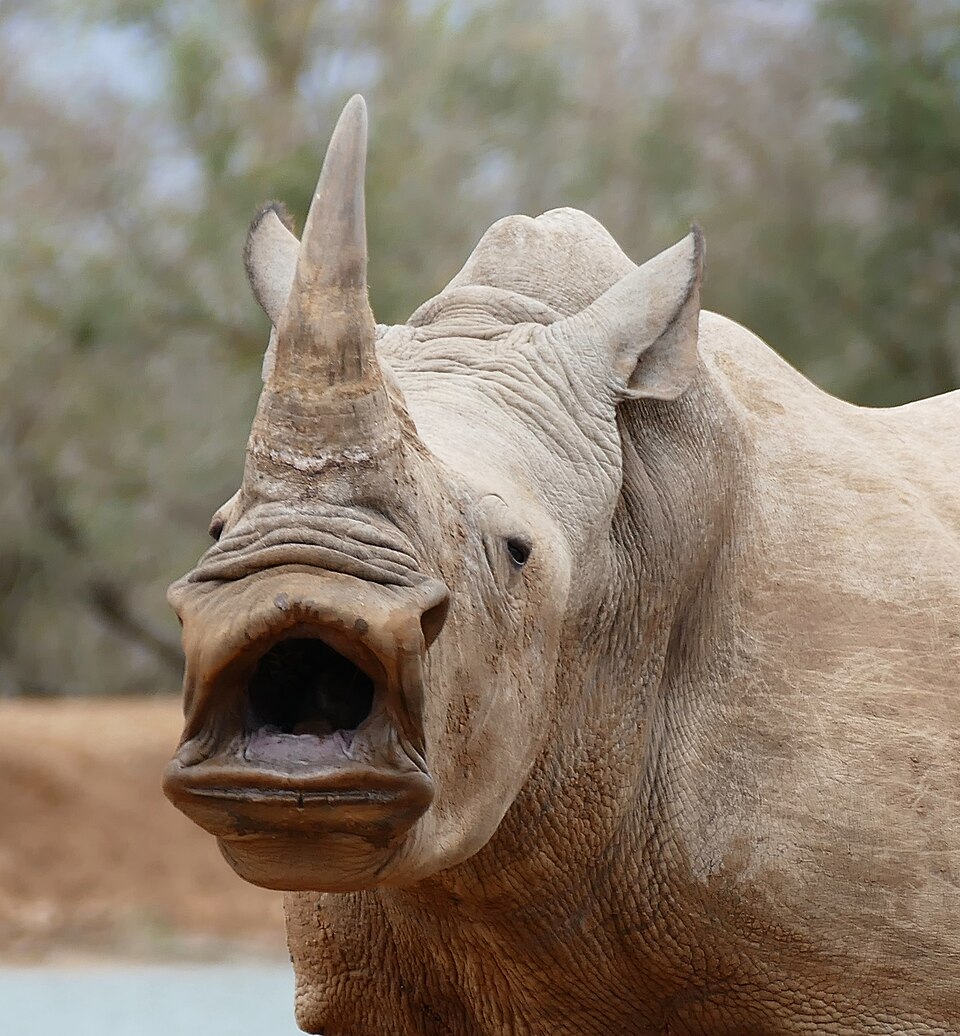
Turning northeast, we reach Hlane Royal National Park. Its lowland woodland shelters white rhinoceroses, giraffes and many birds. Despite their name, white rhinos are gray; they graze with broad mouths. Conservation and carefully managed visits provide work while protecting animals threatened by poaching. Waterholes draw wildlife during dry periods. The warmer landscape contrasts with Mbabane’s highlands, showing how elevation changes conditions within a small country.
White rhinos crop grass rather than browsing mainly on shrubs. Keeping grassland and woodland habitats healthy helps more than one species. Visitors may see a particular animal, but the protected landscape includes the less noticeable plants and water supporting it.
Locate this stop on the map ↗